The Strategic Health Dividend: How Renewable Energy Impacts Outcomes
— by
Steven Haynes
{
“title”: “The Strategic Health Dividend: How Renewable Energy Impacts Outcomes”,
“meta_description”: “Beyond sustainability, renewable energy acts as a hidden performance multiplier. Discover how cleaner power grids improve public health and operational resilience.”,
“tags”: [“renewable energy”, “public health”, “operational strategy”, “sustainability”, “business performance”, “environmental impact”, “leadership”],
“categories”: [“Health and Wellness”, “Business”],
“body”: “
The Invisible Infrastructure of Performance
Corporate leaders rarely view the energy grid as a health intervention, yet the transition to renewable sources represents one of the most significant, albeit overlooked, shifts in strategic health management. The primary barrier to peak performance in any organization is the cognitive and physiological tax imposed by environmental degradation. By reducing reliance on fossil fuels, we aren’t merely meeting ESG targets; we are optimizing the physical substrate upon which human output relies.
The Direct Link Between Air Quality and Cognition
Particulate matter (PM2.5) from traditional power generation does more than trigger respiratory issues; it acts as a silent drain on cognitive endurance. Research indicates that fine particulate matter crosses the blood-brain barrier, inducing neuroinflammation that blunts executive function. For high-performers, this manifests as reduced focus, slower decision-making, and impaired long-term planning capabilities.
When an organization commits to renewable integration, it isn’t just buying solar panels or wind credits. It is investing in a systems-level improvement that filters the air their workforce breathes. Cleaner air correlates directly with lower absenteeism and higher net output per employee. The logic is simple: when you remove the environmental noise from the biological system, the system operates closer to its theoretical maximum.
Operational Resilience and Energy Independence
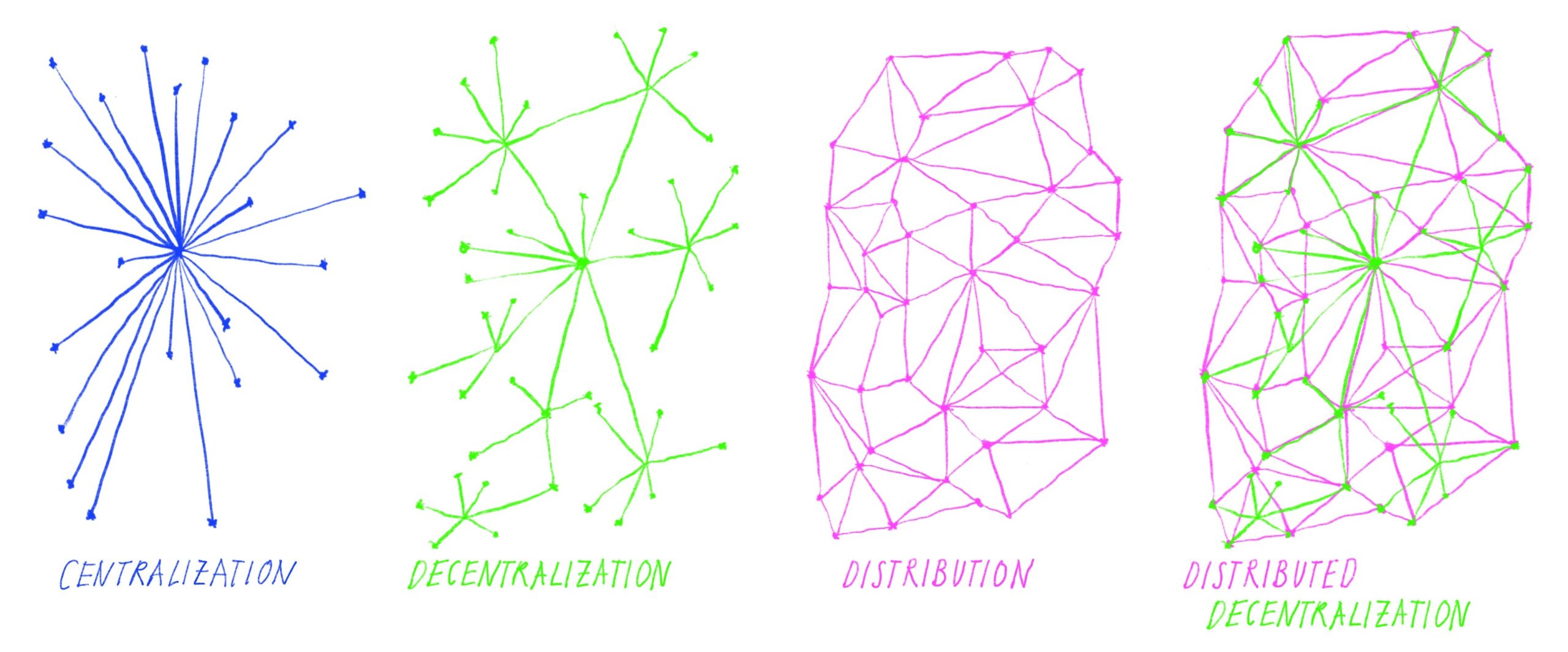
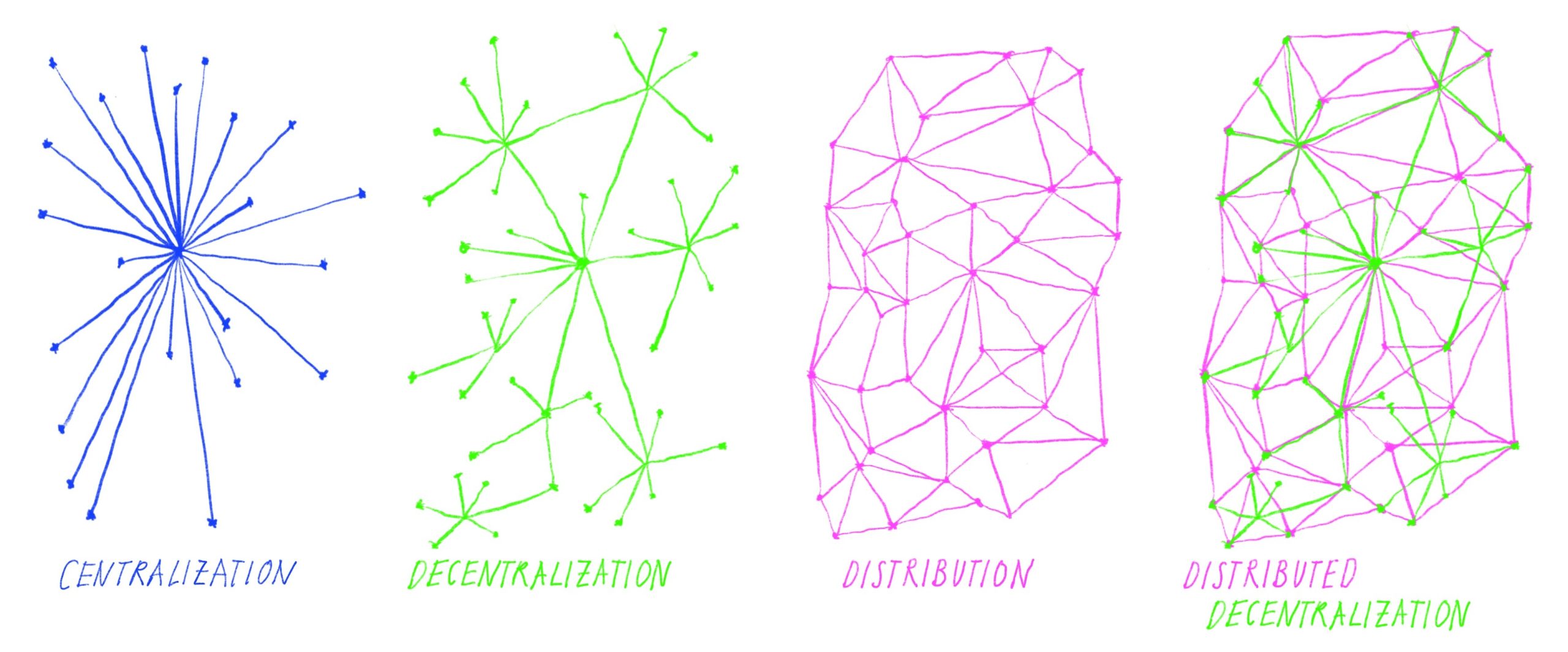
Traditional energy models rely on centralized, vulnerable points of failure. From a decision-making perspective, the shift toward localized renewable generation—microgrids and onsite solar—minimizes dependency on volatile, aging utility infrastructure. This is not just an environmental choice; it is a hedge against systemic risk.
The most successful organizations treat energy security as a fundamental pillar of operational continuity.
By decentralizing power, businesses gain control over their uptime. Health outcomes benefit here as well; localized energy generation often replaces the need for noisy, polluting diesel backup generators, further improving the immediate micro-environment of the workplace. This form of performance-oriented infrastructure ensures that your organization remains operational when external systems falter.
The Economic Argument for Proactive Health
Public health costs are an externality that businesses eventually pay through insurance premiums, reduced talent retention, and lost productivity. Renewable energy acts as a preventative measure. By lowering the aggregate burden of pollution-related illness, communities reduce the strain on local healthcare systems, creating a more robust productivity environment for the entire region.
Leaders who recognize this connection move away from reactive corporate social responsibility toward proactive health optimization. The transition to clean power is a capital allocation strategy that recognizes the human asset as the primary driver of value. When you improve the environmental variables in your supply chain and your own facilities, you are effectively compounding the cognitive capital of your team.
Building a Sustainable Future
At thebossmind.com, we emphasize that true leadership involves looking past quarterly metrics to identify the underlying systems that dictate performance. Renewable energy is not merely a utility switch; it is a foundational upgrade to the health and operational capacity of the modern enterprise. As we scale, the distinction between environmental stewardship and peak performance will continue to dissolve.




Leave a Reply